
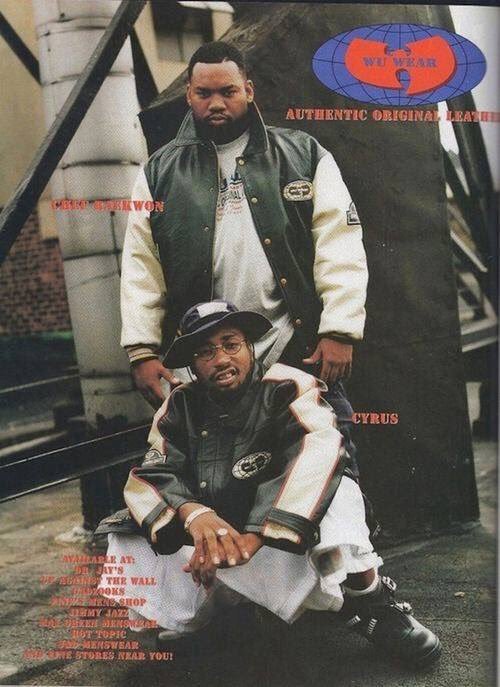
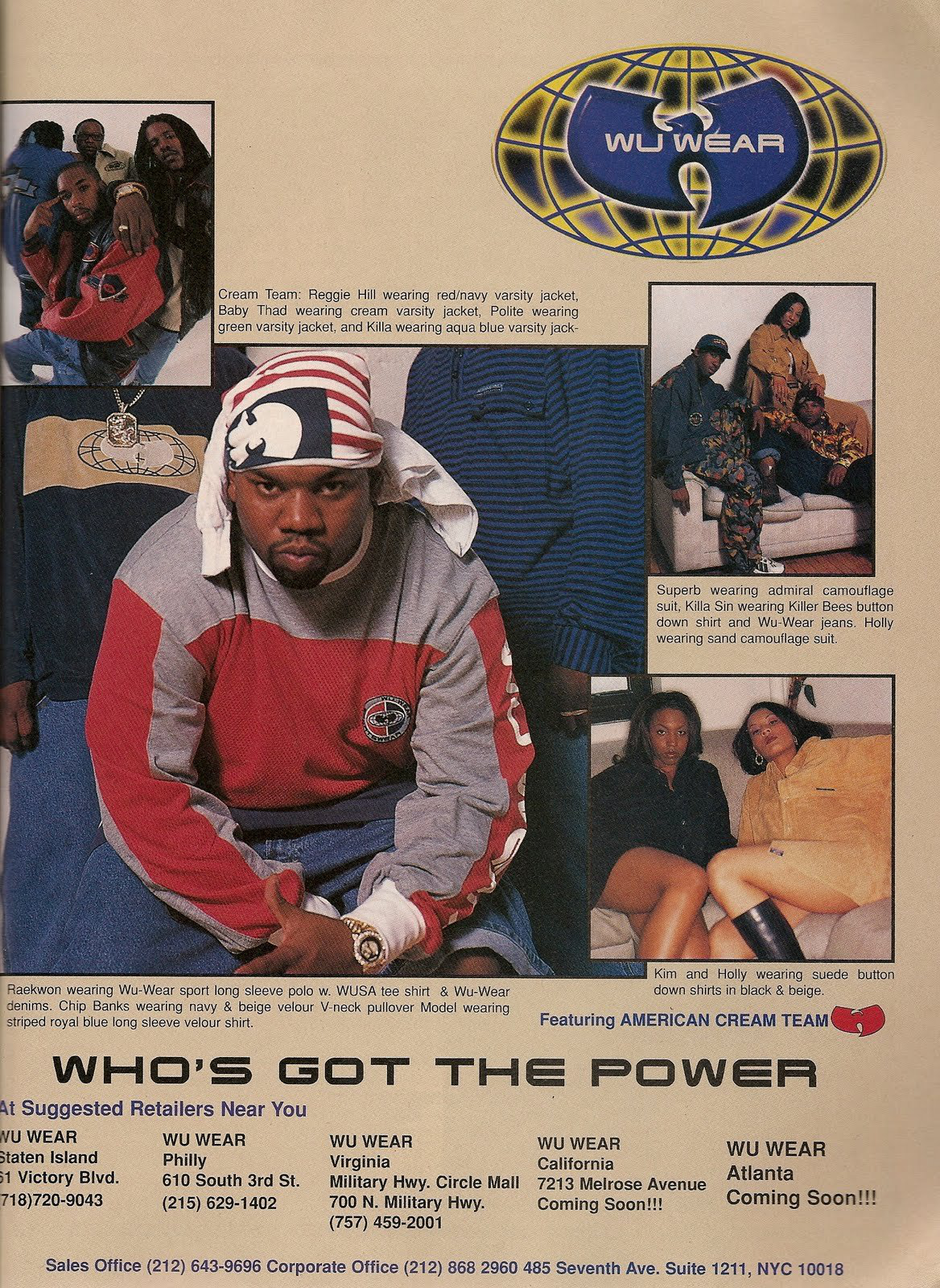
Oliver “Power” Grant, co-founder of the Wu-Tang Clan, has died at 52.
If you were around for the rise of Wu-Tang in the early ’90s, you already know: Power wasn’t just in the room, he helped build the room.
And if you work in decorated apparel, you definitely know this:
Wu Wear changed the fashion game.
It was not just a side hustle it became central to the Wu Tang Clan brand, an essential and influential part of their empire.
This was before branding was such a thing, Wu Wear was really a pioneering effort.
Today every artist launches a brand. Every influencer has a capsule drop. Every tour has a 12-SKU webstore with fulfillment.
In the early ’90s? That wasn’t the model.
Labels controlled distribution. Retail controlled shelf space. Artists got royalties, maybe.
Wu-Tang did something different.
They built an empire structured around ownership. From music publishing to solo contracts to touring. And Wu Wear which was launched in the mid-1990s, was one of the earliest examples of a hip-hop collective turning cultural phenomenon into a standalone apparel brand. Not tour tees and not promotional giveaways.
A brand with stores. With cut-and-sew. With national distribution. It was revolutionary. Grant was the mastermind of all that, with some of the Wu Tang Clan even opposed to it (Method Man was very much not down with it.)
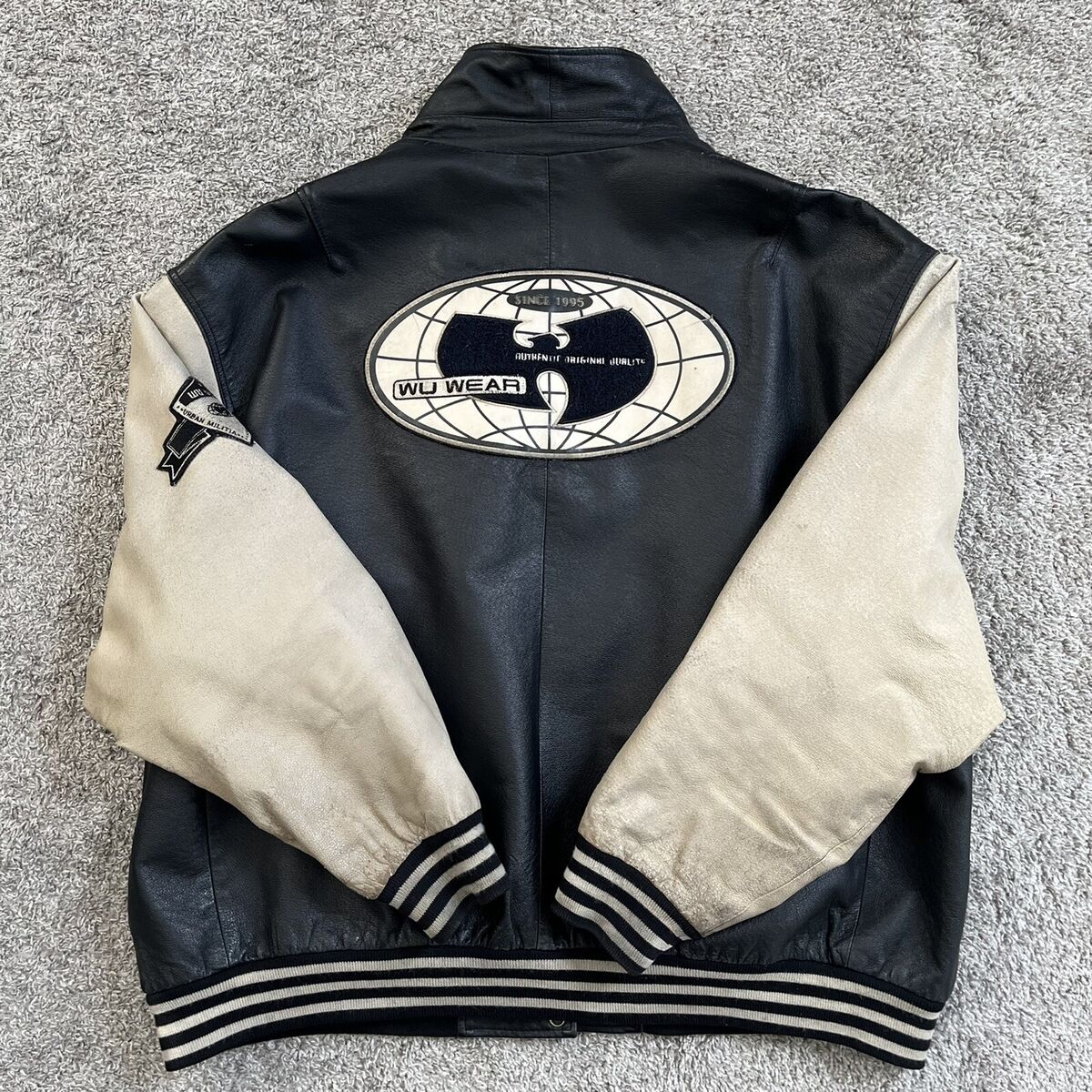
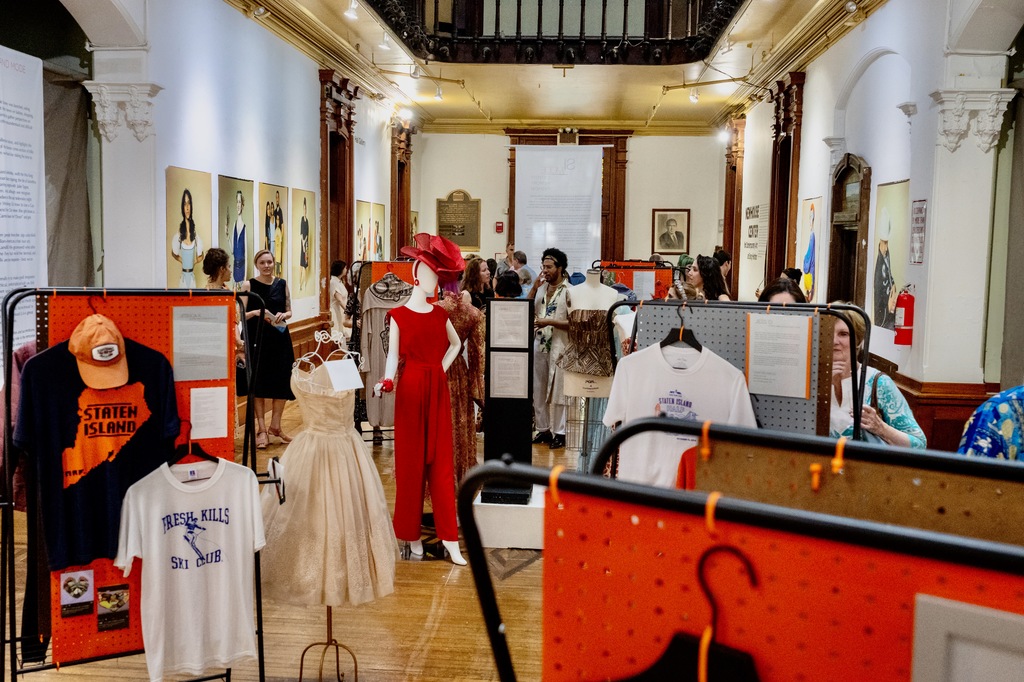
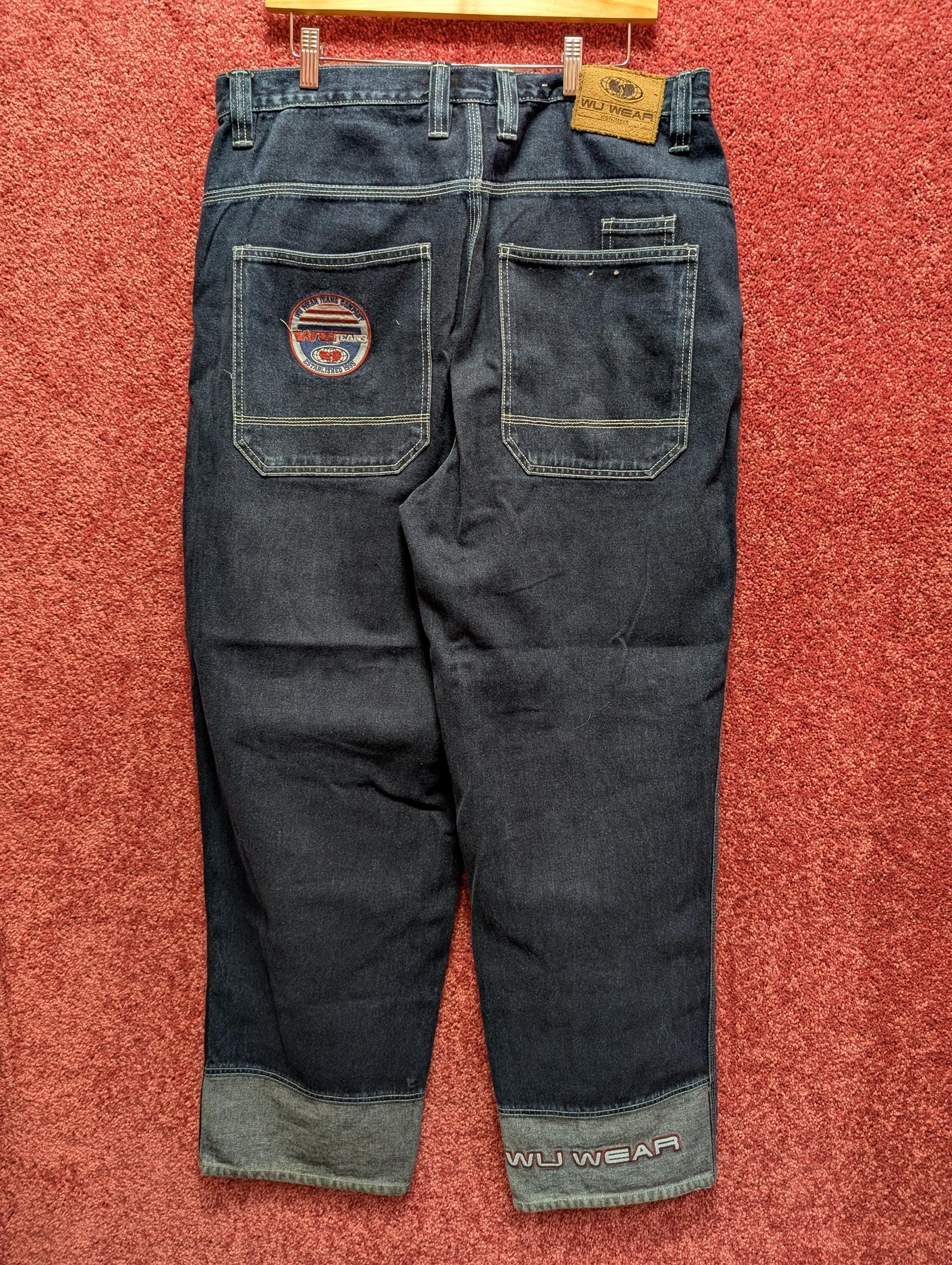
If you were wearing Wu Wear in the ’90s, you weren’t just saying “I like this group.” It was something definitely part of an identity.
Hip-hop at that moment was regional, tribal, competitive. New York meant something. Staten Island meant something. The “W” wasn’t just a logo, it was in some ways a symbol of self-determination.
From a decoration standpoint, Wu Wear leaned into:
-
Heavy graphics
-
Bold embroidery
-
Oversized placements
-
Strong iconography
My take on it was it was streetwear to be seen from across the street.
If you’re in this industry, like many of us who read Ink Kitchen, you understand how rare it is for an artist to successfully translate music into durable apparel equity. Most merch cycles burn hot and disappear.
Wu Wear created something different:
-
Retail stores (not just tour tables)
-
Department store placement
-
Licensed product expansion
-
International recognition
That doesn’t happen without vision, and without someone behind the scenes pushing operationally, and Grant was the visionary and the practical guy behind it. He often spoke of it not being business school but school of hard knocks that put him on the path to success.
Grant: “Wu Wear was pretty much like our entry in the fashion biz, but before I was in Wu Wear, I was making and marketing the first Wu records with RZA. Everything that we learned was hard knock life, you figure it out as you go along, and take cues from those that are actively doing things. A lot of it was trial and error. There were no models…”
Grant again on his “lack of formal business education:” “It’s the gift and it’s the curse. There’s no schooling, so the value comes from learning life lessons. Every day you can learn lessons if you tune in, if you tune in for what’s bullshit and what’s not. Everyone doesn’t have a Wu Tang story, there’s lots of dudes from the streets who don’t make it. The reality is that you can be from the streets, but have your eye on the wrong dreams, and certain things never come to light, you don’t have the wherewithal. We was blessed, but at the same token, at the same time, we strived to make a way for ourselves.”
In a time before Shopify.
Before print-on-demand.
Before influencer marketing.
Before social drops.
He definitely built it his own way.
Very very impressive to pull off, and since then so many tried to duplicate but the real message was not to copy what they did but to see the genius in them taking that moment and doing it their own way with their resources and keeping it in their own control.
Wu Wear sits in the same early cultural lineage as:
-
FUBU
-
Karl Kani
-
Cross Colours
In fact, in many interviews Grant openly cited his inspiration coming from Karl Kani and trying to build on many ideas coming from that brand.
But Wu Wear was different because it came directly from an artist collective at peak power.
For a generation of kids, especially Black and brown kids, Wu Wear represented ownership, autonomy, and pride. It represented: we don’t need permission.
And in decorated apparel, that mentality still resonates.
When independent shops build private labels…
When artists insist on better blanks…
When brands want equity instead of just markup…
That lineage runs through Wu Wear and Grant.
The story of Wu-Tang Clan is often told through albums, Enter the Wu-Tang (36 Chambers), solo records, lyrical mythology. But the business structure was just as radical: Multiple solo deals under one umbrella, complete publishing control, and brand extension. Wu Wear was proof that the culture didn’t just create art, it created commerce as well and in the case of Wu Tang, it was done on its own terms.
If you run a print shop, build a brand, discuss private label, you do contract decoration, if you are discussing artist ownership? Then Wu Wear is part of your story whether you realize it or not.
Because it helped normalize the idea that apparel isn’t an afterthought, that is is also identity, economics, and power.
Grant with the last word:
“There’s a whole new nature and culture that’s been created You have Undefeated, Rocksmith, Billionaire Boys Clubs, but all of them were created on the strength of Wu Wear, whether they want to give it up, any smart journalist or person of information can do their 1-2 1-2 and find out why that’s a reality. I was never one to hold my nuts big. I let the work show and prove. I see the value of what I was able to create, knowing that every day you have to reinvent or re-think yourself to be part of growth. It’s my duty to see my brand, it’s my shill. This is the US of America, I’m American, I’m Wu-Tang, I’m a general and it’s my duty to do it. Nobody else in the Clan can do it, that’s my thing.”
thanks to the interview quotes which all come from Jeff Weiss’s “Passion of the Weiss.”

Comments