A customer sent art. Three trucks, a company logo, a CAT mascot, a tree line. 1618 by 1872 pixels. The truck numbers don’t match from bumper to door. The badge on the grille is a smear. The headline logo doesn’t say “Trucking.” It’s AI-generated, and it’s customer-supplied, so you fix it. I recorded the whole cleanup. °FAI: When the Customer Sends AI Art.
The video is 52 minutes. Here’s the short version, and what each tool cost me.
Start with the text and logos.
ChatGPT went first. Make the numbers read: 107, 133, 101. Keep them the same size as the original. Then: what’s that badge on the grille? Peterbilt. Make it look like one. Then: make the company logo on the doors legible.
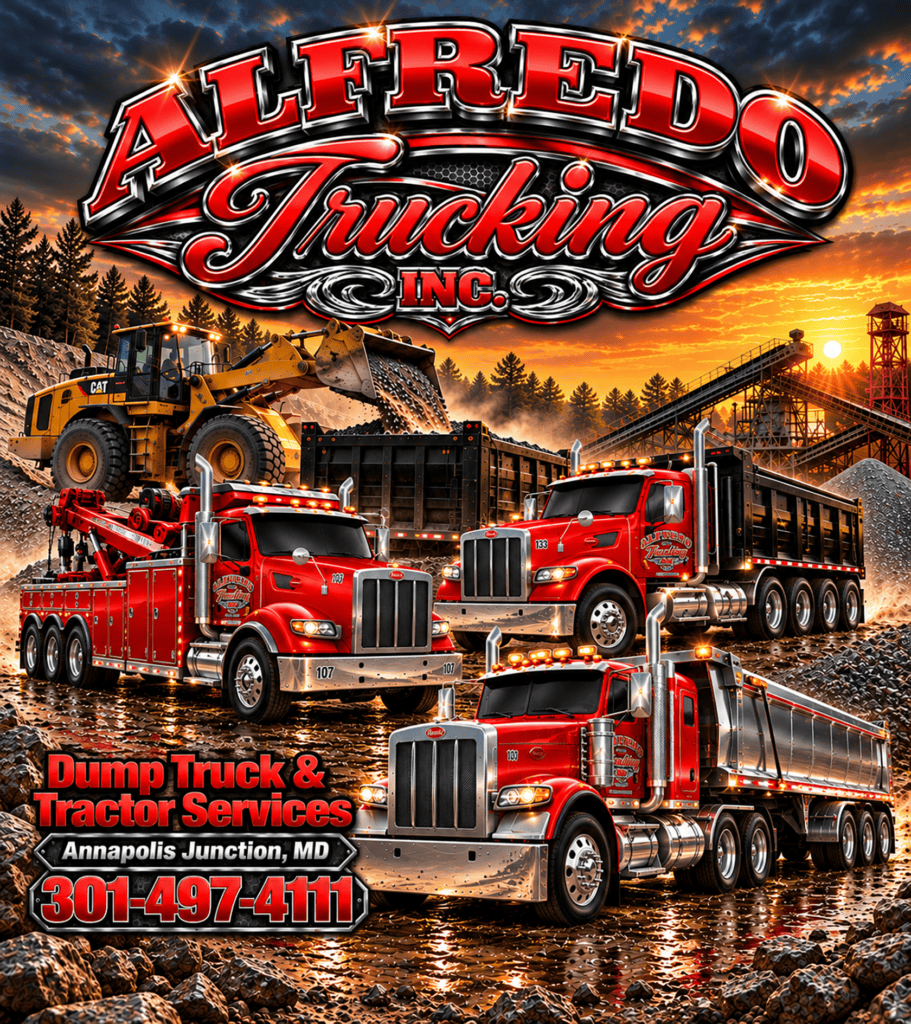
It got the numbers and made them bigger than I asked, so I sent it back. GPT got the Peterbilt close, but not close enough to survive an upscale. So in Photoshop I dropped the ChatGPT version on top of the original, selected only the logos, expanded the selection by five, inverted, deleted. I kept what improved. Nothing else.
Let Claude cut the masks.
While ChatGPT worked, I uploaded the same file to Claude on Fable at high effort and asked for masks. The headline logo. Each truck. Red paint, bumpers, chrome, wheels, tires, grills, windshields, trees, rocks, the text block, each piece of the logo. Python, black-and-white threshold, PNG. Hard edges, one or two pixels of anti-alias. And one line at the end: ask me questions before you proceed.
It asked four. File format, edge handling, how to group the parts, where to deliver. I connected a folder on my computer and it wrote the masks there. Forty-six minutes. It missed the dark red edging on the trucks, and the chrome mask picked up things it shouldn’t. Fixable. Next time I’ll ask for one mask at a time. It does better with one job than a list of twenty.
Upscale without the psychedelics.
Photoshop’s built-in generative upscale turns AI art into wavy, interlocked patterning. The logo went from chaos to more chaos. So I use Topaz Gigapixel as its own program, on the Recover model. Small steps beat one big jump. I’ve run 35 passes on a single image.
This time I ran it by channel. Lab mode, Lightness channel only, through Topaz, pasted back in. Then Neural Filters for JPEG artifact removal, which only works in RGB. Back to Lab: Gaussian blur at 4 and median at 1 on the color channels. I tried an unsharp mask. It brought the noise back. Skipped it. Second Topaz pass on the RGB. Landed at 300 dpi at print size.
Remove the junk. Then stop.
The Remove tool is free. The generative tools burn credits. So I used Remove. Rocks embedded in the cat. A cab with no driver. Scaffolding that turned into nonsense. One section I flipped and pasted over itself.
Logos get isolated on their own layer, then Select Subject, then Vectorizer. The real Peterbilt mark came from Brands of the World, free. The numbers get rebuilt in Illustrator or Corel. You could spend three more hours removing things. I stopped.
What it costs.
Vectorizer, $9.99 a month. ChatGPT, $8.99. The Adobe plan, $33. Claude Max, $200. Brands of the World, free. About $252 a month for the whole kit. I track it, because I’ve been surprised by a bill before.
This kind of file will keep coming. The models will get less sloppy, but they won’t send you higher resolution, and they won’t know what a Peterbilt badge looks like. It’s a balance of fixing it and honoring it. The customer liked it, or they wouldn’t have sent it.
What this really shows: AI art arrives at the shop as customer-supplied art, same as a bad JPEG off a website did ten years ago. The AI doesn’t do the cleanup. It’s good at two things, and knowing what’s weird on a truck isn’t one of them. The person at the screen decides. That’s the part the shop owns.
Removing is free. That’s why it gets addictive.
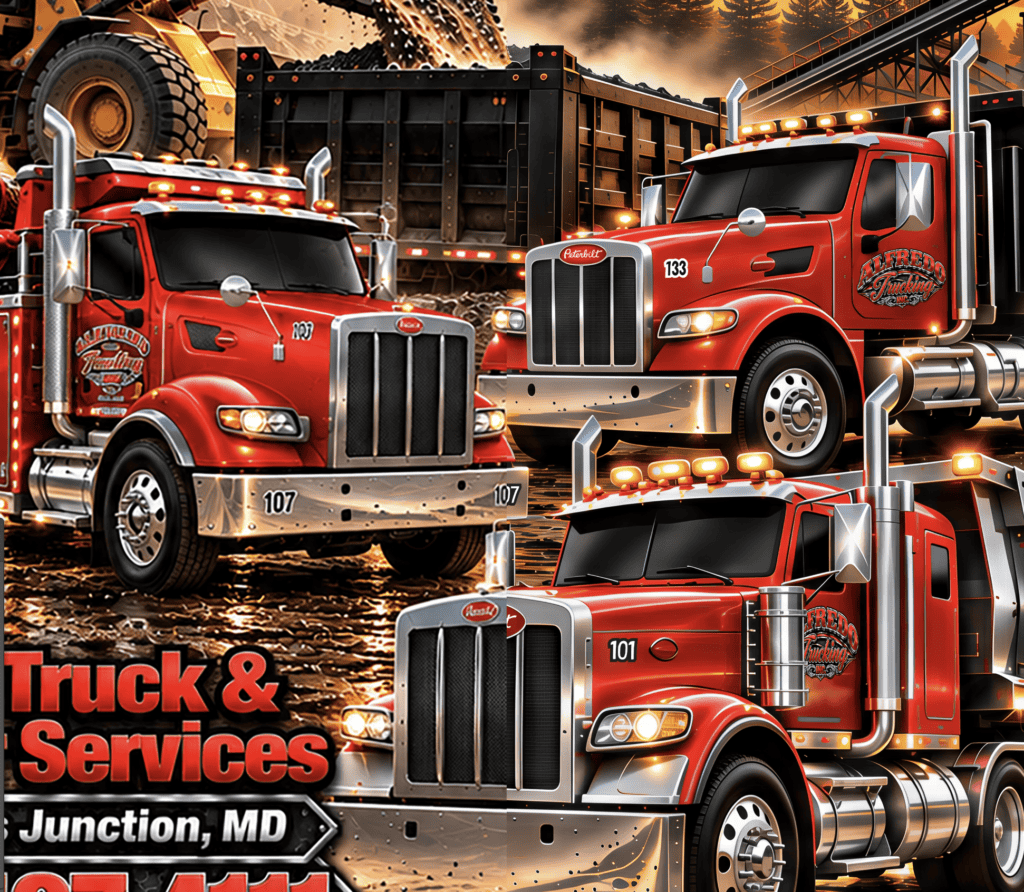
Left side of image is original, right side is adjusted
Tools used:
- ChatGPT (fixed the truck numbers, identified and redrew the Peterbilt badge, matched the door logos)
- Claude (Fable, high effort — wrote the Python and cut the masks; drafted this article)
- Photoshop (Remove tool, Select Subject, Neural Filters JPEG removal, Lab-mode channel work, the compositing)
- Topaz Gigapixel (standalone, Recover model — the upscale)
- Vectorizer (converted the logos and numbers to vector)
- Brands of the World (the real Peterbilt logo, free)
- Illustrator / CorelDRAW (rebuilding the numbers)
Comments